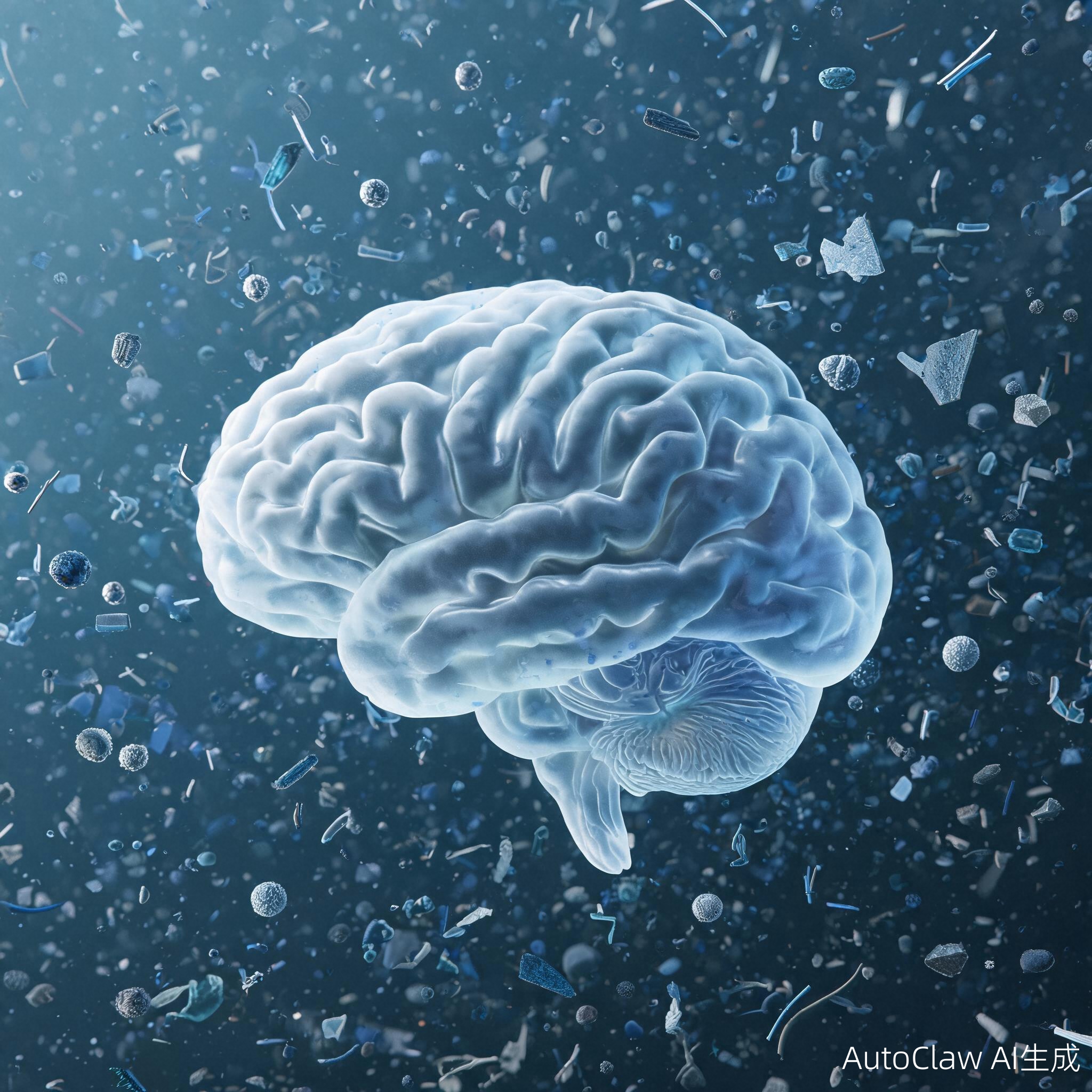
【1】For decades, scientists have tracked microplastics through the ocean, the soil and even the food we eat.A new study, however, has located them in the place we might least expect: the human brain, where their concentration appears to be climbing with each passing year.
【2】The findings, published in the journal Nature Medicine and led by a toxicologist at the University of New Mexico, examined brain, liver and kidney tissue from 52 people whose organs were donated after death, drawing on samples collected in both 2016 and 2024.
【3】Using a chemical process to dissolve the tissue and leave behind only particles, the researchers identified twelve different types of plastic, then weighed and counted the fragments under an electron microscope — a technique sensitive enough to detect pieces far smaller than the width of a human hair.
【4】The results were unambiguous: every brain sample contained microplastics, and the brain held seven to thirty times more than the liver or kidney.Most striking of all, brains collected in 2024 showed roughly fifty percent more plastic than those from 2016, a rise that mirrors the surging tide of plastic production worldwide.
【5】Why the brain should accumulate so much remains unclear, but the authors offer a compelling explanation.The brain is roughly sixty percent fat, and many plastics are fat-soluble, meaning they slip easily into lipid-rich tissue; the smallest particles, moreover, may cross the blood-brain barrier, the protective membrane that is supposed to keep harmful substances out.
【6】By far the most abundant material was polyethylene, the plastic used in bottles and shopping bags, which turned up as tiny shards and flakes scattered through the tissue.Such particles, the researchers note, are now so widespread that no one — rich or poor, young or old — is likely to be free of them.
【7】The scientists were careful not to overstate their findings.A link between microplastics and dementia has been floated, they observed, but the present study was far too small, and too limited, to prove that the particles cause any specific disease, let alone the conditions that some headlines have implied.
【8】Even so, the study has sharpened an uncomfortable question about the modern world: whether the conveniences of plastic — cheap, durable, everywhere — carry a hidden cost that science is only beginning to measure.As mounting evidence finds the particles in blood, placentas and breast milk, researchers increasingly ask not whether we are exposed, but what that exposure means.
【9】For the public, the message is one of caution rather than alarm.Experts say individuals can reduce their intake by drinking filtered water and avoiding food heated in plastic, yet they stress that real change must come from reducing plastic production itself — a task, they argue, that lies with industry and government, not with the choices of any single person.
原文出处:本文根据《自然·医学》(Nature Medicine,2025 年 2 月)刊发、由新墨西哥大学(University of New Mexico)Matthew Campen 团队完成的尸检研究,及 Scientific American 相关报道(2025-08 综合)整理编写,供学习使用。
三、长难句分析(三步拆解法)
A new study, however, has located them in the place we might least expect: the human brain, where their concentration appears to be climbing with each passing year.
主干:A new study ... has located them in the place(主语 + has located + 宾语 + 地点状语)
定语从句(省略关系代词):we might least expect(修饰 place,关系代词 that/which 作宾语被省略)
同位语(解释说明):the human brain(冒号引出,具体说明 place 指哪里)
非限制性定语从句:where their concentration appears to be climbing with each passing year(where 指代 in the human brain)
考点:省略关系代词的定语从句;where 引导非限制性定语从句;appear to do 结构
译文:然而,一项新研究在我们最意想不到的地方——人脑——找到了它们,而且其浓度似乎正逐年攀升。
The findings, published in the journal Nature Medicine and led by a toxicologist at the University of New Mexico, examined brain, liver and kidney tissue from 52 people whose organs were donated after death, drawing on samples collected in both 2016 and 2024.
主干:The findings ... examined brain, liver and kidney tissue from 52 people(主语 + examined + 宾语)
过去分词作后置定语(并列):published in the journal Nature Medicine and led by a toxicologist ...(修饰 The findings)
定语从句:whose organs were donated after death(whose 修饰 52 people)
现在分词作状语 + 过去分词作定语:drawing on samples collected in both 2016 and 2024(drawing on 表"利用";collected 修饰 samples)
The brain is roughly sixty percent fat, and many plastics are fat-soluble, meaning they slip easily into lipid-rich tissue; the smallest particles, moreover, may cross the blood-brain barrier, the protective membrane that is supposed to keep harmful substances out.
并列结构:两个分句由分号连接:The brain is ... fat, and many plastics are fat-soluble;the smallest particles ... may cross the blood-brain barrier
现在分词作状语:meaning they slip easily into lipid-rich tissue(meaning 后接宾语从句,表"意味着")
同位语 + 定语从句:the protective membrane that is supposed to keep harmful substances out(解释 barrier;that 引导定语从句)
A link between microplastics and dementia has been floated, they observed, but the present study was far too small, and too limited, to prove that the particles cause any specific disease, let alone the conditions that some headlines have implied.
主干:A link ... has been floated ... but the present study was far too small, and too limited, to prove that ...(but 连接并列句;被动语态)
插入语:they observed("他们指出")
宾语从句:that the particles cause any specific disease(作 prove 的宾语)
let alone 结构:let alone the conditions that some headlines have implied("更不用说……";内含 that 引导的定语从句修饰 conditions)
As mounting evidence finds the particles in blood, placentas and breast milk, researchers increasingly ask not whether we are exposed, but what that exposure means.
主干:researchers increasingly ask not whether ..., but what ...(主语 + ask + not ... but ... 并列宾语从句)
时间状语从句:As mounting evidence finds the particles in blood, placentas and breast milk(as 引导,"随着")
宾语从句(并列):whether we are exposed(是否暴露);what that exposure means(这种暴露意味着什么)
考点:not ... but ... 结构;whether 与 what 宾语从句;as 引导时间状语从句
仿写题:仿照第 8 段 "researchers increasingly ask not whether we are exposed, but what that exposure means."(not whether …, but what … 的并列宾语从句)的句式,围绕「环保」「健康生活」或「坚持学习」写一个句子。