Research shows that learning an instrument changes the brain's structure and sharpens hearing, memory and language — but the effect depends on something that has little to do with talent
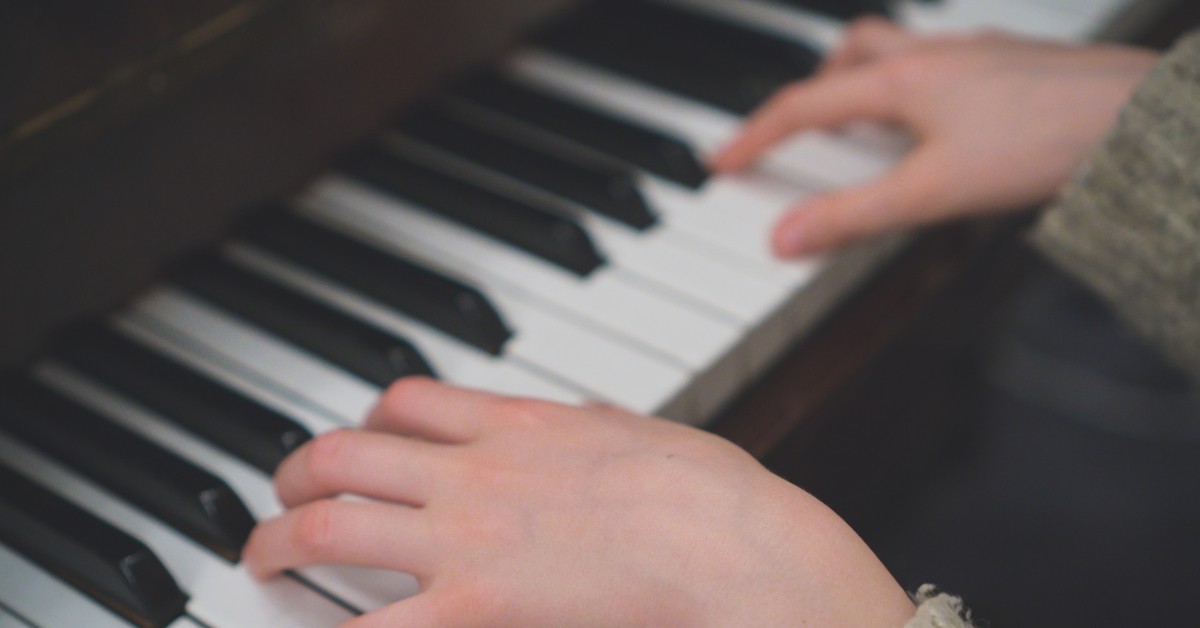
【1】The image of the child at the piano is a familiar one, yet neuroscience now suggests that practice may do far more than produce a pleasing tune — it may physicallyreshape the brain itself.
【2】A landmark study followed young children through fifteen months of instrument training and found measurable growth in regions controlling fine motor skills and hearing — brain changes not seen in peers who took only drama classes or no training at all.
【3】The benefits extend to language.Musicians' brains respond to subtle differences in speech sounds that others overlook, a sensitivity researchers link to better reading and, for some, stronger second-language skills.
【4】Music also appears to train the brain's executive functions — sustained attention, working memory and the ability to ignore distraction — the very skills that classroom learning demands.
【5】Why should practising scales matter?Playing music demands the simultaneouscoordination of reading symbols, timing movements and listening to the result — an intense, multisensory workout that strengthens the connections between brain regions.
【6】Yet researchers are careful to distinguish correlation from causation.The children who stick with music may already differ in motivation or parental support; the effect, they warn, is real but modest, and no shortcut replaces years of steady practice.
【7】These findings matter for schools.As budgets squeeze the arts, the evidence hints that cutting music programmes may cost more than it saves — and that a child need not become a musician to reap the benefit of simply playing.
【8】Of course, not all studies agree, and how long the gains last once practice stops remains unclear; nor does every type of training deliver identical results.
【9】Still, the message is hopeful.The instrument is not a luxury but a tool for building a more agile mind; what the fingers learn, the brain remembers — long after the final note has faded.
原文出处:本文根据 Hyde 等(2009,Journal of Neuroscience,儿童乐器训练研究)、Kraus 团队(Northwestern Auditory Neuroscience Laboratory,音乐训练与言语加工研究)等公开成果整理改写,供学习使用。
三、长难句分析(三步拆解法)
A landmark study followed young children through fifteen months of instrument training and found measurable growth in regions controlling fine motor skills and hearing — brain changes not seen in peers who took only drama classes or no training at all.
主干:A landmark study followed young children … and found measurable growth(主语 + 并列谓语 followed … and found …)
介词短语作状语:through fifteen months of instrument training(贯穿……过程)
介词短语作后置定语:in regions controlling fine motor skills and hearing(regions 后接现在分词短语)
同位语(破折号引出):brain changes not seen in peers(解释 growth)
定语从句:who took only drama classes or no training at all(修饰 peers)
Musicians' brains respond to subtle differences in speech sounds that others overlook, a sensitivity researchers link to better reading and, for some, stronger second-language skills.
主干:Musicians' brains respond to subtle differences(主语 + respond to + 宾语)
介词短语作定语:in speech sounds that others overlook(内含 that 定语从句修饰 differences)
同位语:a sensitivity researchers link to better reading and … second-language skills(概括前句,其后是省略 that 的定语从句)
省略关系词的定语从句:researchers link to better reading(a sensitivity 是 link 的宾语)
Music also appears to train the brain's executive functions — sustained attention, working memory and the ability to ignore distraction — the very skills that classroom learning demands.
主干:Music also appears to train the brain's executive functions(主语 + appears to do)
插入语(破折号之间):sustained attention, working memory and the ability to ignore distraction(并列列举,解释 executive functions)
同位语:the very skills that classroom learning demands(再次解释 executive functions;very 加强语气"正是")
Playing music demands the simultaneous coordination of reading symbols, timing movements and listening to the result — an intense, multisensory workout that strengthens the connections between brain regions.
主干:Playing music demands the simultaneous coordination(动名词短语作主语 + demands + 宾语)
动名词并列作介词宾语:of reading symbols, timing movements and listening to the result
同位语(破折号引出):an intense, multisensory workout that strengthens the connections(解释前面的整体行为)
定语从句:that strengthens the connections between brain regions(修饰 workout)
As budgets squeeze the arts, the evidence hints that cutting music programmes may cost more than it saves — and that a child need not become a musician to reap the benefit of simply playing.
主干:the evidence hints that … and that …(主语 + hints + 两个并列的 that 宾语从句)
时间状语从句:As budgets squeeze the arts(as 引导,"随着")
宾语从句一:that cutting music programmes may cost more than it saves(动名词 cutting 作主语;比较状语从句 than it saves)
宾语从句二:that a child need not become a musician to reap the benefit of simply playing(need not do;不定式作目的状语)
考点:as 时间状语从句;并列 that 宾语从句;动名词作主语;比较状语从句;need not do
仿写题:仿照第 1 段 "… practice may do far more than produce a pleasing tune — it may physically reshape the brain itself." 中 "… may do far more than … — it may …" 的递进句式,围绕「阅读」「运动」或「写作」写一个句子。