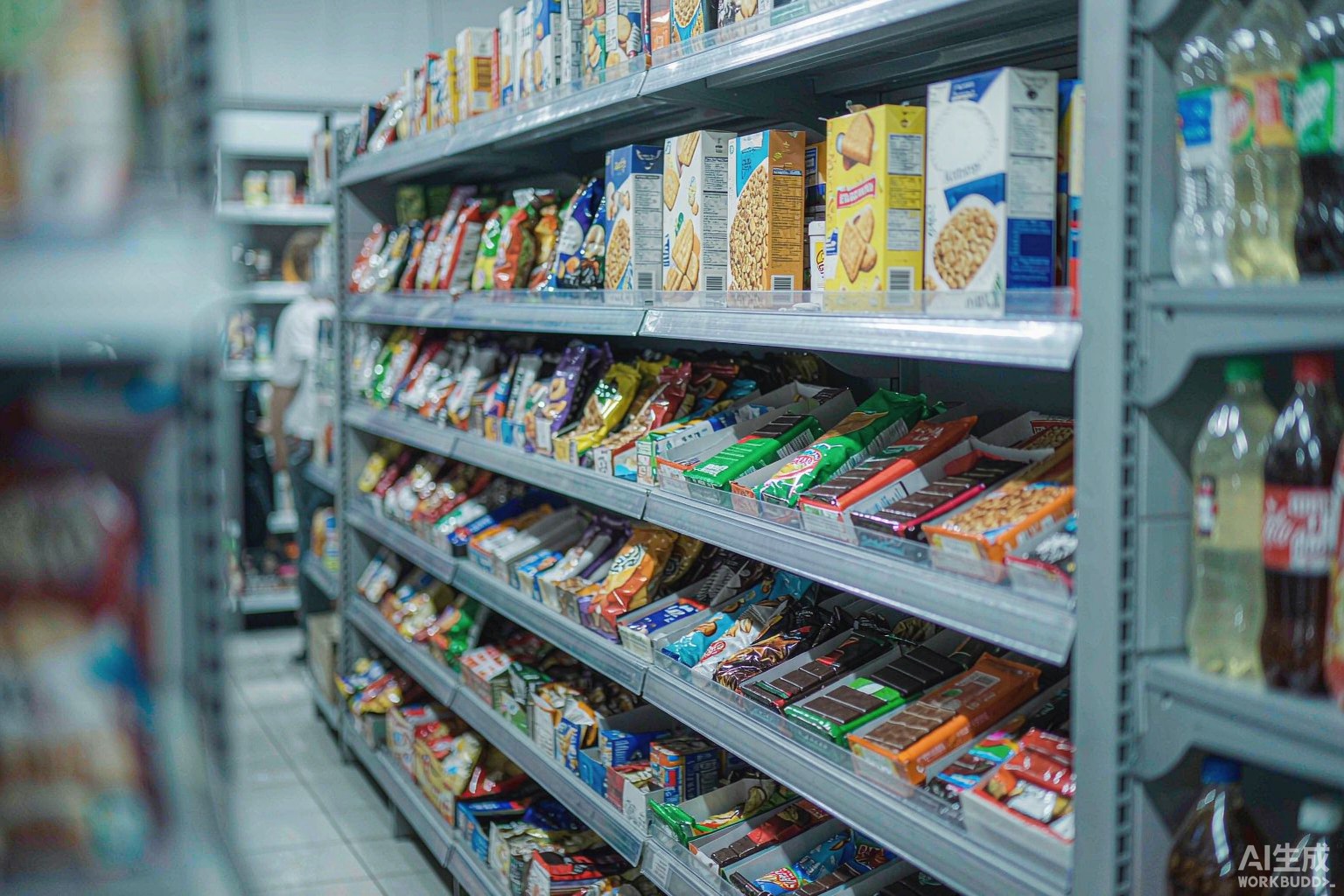
Two meals were matched within one per cent on every nutrient — yet a randomized crossover trial found they behaved differently in the body and the brain, hinting that how food is made may matter as much as what it contains
【1】Nutrition science tends to assume that two meals supplying the same calories, fat, carbohydrate and protein will behave much the same way inside the body.A tightly controlled new experiment suggests that this tidy equation leaves out a variable that may matter enormously: how heavily the food itself has been processed.
【2】Published on 5 October 2026 in Nature Metabolism, the study was led by Alexandra DiFeliceantonio's laboratory at Virginia Tech's Fralin Biomedical Research Institute, with doctoral researcher Zach Hutelin as first author.Rather than surveying diets in the wild, the team ran a crossover trial in which 57 healthy adults aged 18 to 45 each ate a minimally processed meal and an ultraprocessed one on separate days.Thirty-two completed both the metabolic sessions and a further round of brain imaging.
【3】The meals were engineered to be as alike as possible, with carbohydrate, fat, protein, calories, water, salt and weight all held equal to within about 1 per cent, so that their labels would look virtually identical.The ultraprocessed version combined a bite of peanut-butter-and-jelly sandwich, deli turkey, veggie chips, a cookie, cereal and instant mashed potatoes; the minimally processed plate offered banana, dried cranberries, cheese and egg.
【4】To capture metabolism, participants arrived after fasting overnight and lay inside a sealed, airtight chamber that measures how much energy the body expends.Blood was drawn immediately after eating and six more times over the next three hours, tracking insulin, blood sugar, energy expenditure and the rate at which the body burned carbohydrate.
【5】The results startled the researchers: every metabolic measure differed.The ultraprocessed meal triggered a far larger insulin response, left blood sugar slightly higher for slightly longer, and pushed the body to burn less carbohydrate while expending more energy overall.
【6】On a separate day the same volunteers viewed photographs of nutritionally matched processed and unprocessed foods inside an MRI scanner, reporting what they would be willing to pay for each.Differences in how the body had burned carbohydrate after a meal tracked differences in how reward regions of the brain, including the ventral striatum and nucleus accumbens, responded to pictures of food.
【7】Crucially, participants did not say they would pay more for either kind of food, implying that the effect is not simply a matter of conscious desire.The work hints instead that processing itself, quite apart from nutrient content, can nudge the body and the brain into different states.
【8】The finding speaks to a long-running argument, since ultraprocessed foods now supply more than half of the average American's daily calories, yet the mechanisms linking them to obesity and disease remain fiercely debated.The authors are candid about the limits of one set of matched 300-calorie meals tested in young, healthy adults, and note that the two meals differed in their protein sources and additives.
【9】For Carlos Monteiro of the University of São Paulo, whose NOVA classification underpins the field, the brain data are what make the study valuable, because the brain ultimately governs eating.The broader lesson is that how food is made may be as worth studying as what it contains.
原文出处:本文根据 Nature Metabolism 论文《Metabolic and neural responses to ultraprocessed foods: a randomized, controlled, crossover study》(Zach Hutelin et al.;Virginia Tech, Fralin Biomedical Research Institute;Nature Metabolism, published online 5 October 2026, DOI: 10.1038/s42255-026-01619-4)改写整理,供学习使用。
三、长难句分析(三步拆解法)
Rather than surveying diets in the wild, the team ran a crossover trial in which 57 healthy adults aged 18 to 45 each ate a minimally processed meal and an ultraprocessed one on separate days.
主干:the team ran a crossover trial(主语 + 谓语 + 宾语)
rather than 状语:Rather than surveying diets in the wild("与其去调查现实中的饮食,不如……",置于句首表取舍)
介词 + 定语从句:in which 57 healthy adults ... ate a minimally processed meal and an ultraprocessed one(修饰 a crossover trial;in which = where)
后置定语与替代:aged 18 to 45(修饰 adults);an ultraprocessed one 中 one 替代 meal
考点:rather than 表取舍;"介词 + which"定语从句;one 作替代词避免重复;each 作同位语强调"每一个人"
The meals were engineered to be as alike as possible, with carbohydrate, fat, protein, calories, water, salt and weight all held equal to within about 1 per cent, so that their labels would look virtually identical.
主干:The meals were engineered to be as alike as possible(被动语态 + as ... as possible)
with 复合结构:with carbohydrate, fat, protein, calories, water, salt and weight all held equal to within about 1 per cent("with + 宾语 + 过去分词",表伴随;held 为 hold 的过去分词,"使保持")
结果状语从句:so that their labels would look virtually identical("以至于标签看起来几乎一模一样")
考点:as ... as possible 结构;with 复合结构作状语;so that 引导结果状语从句;hold 作"使保持"的熟词僻义
Differences in how the body had burned carbohydrate after a meal tracked differences in how reward regions of the brain, including the ventral striatum and nucleus accumbens, responded to pictures of food.
The finding speaks to a long-running argument, since ultraprocessed foods now supply more than half of the average American's daily calories, yet the mechanisms linking them to obesity and disease remain fiercely debated.
主干:The finding speaks to a long-running argument(主语 + 谓语 + 宾语)
原因状语从句:since ultraprocessed foods now supply more than half of the average American's daily calories("既然、因为")
yet 并列转折:yet the mechanisms ... remain fiercely debated(与前半句构成对比转折)
现在分词作定语:linking them to obesity and disease(修饰 the mechanisms)
考点:since 引导原因状语从句;yet 作并列连词表转折;现在分词短语作后置定语;speak to 意为"涉及、印证"
For Carlos Monteiro of the University of São Paulo, whose NOVA classification underpins the field, the brain data are what make the study valuable, because the brain ultimately governs eating.
主干:the brain data are what make the study valuable(主语 + 系动词 + 表语从句)
介词短语作状语:For Carlos Monteiro of the University of São Paulo("在……看来",引出评价者)
非限制性定语从句:whose NOVA classification underpins the field(修饰 Monteiro)
表语从句:what make the study valuable(what 引导,且在从句中作主语)
原因状语从句:because the brain ultimately governs eating
仿写题:仿照第 3 段 "The meals were engineered to be as alike as possible, with ... all held equal to within about 1 per cent, so that ..."(as ... as possible + with 复合结构 + so that 结果状语从句)的句式,围绕「公平的实验设计」「控制变量」或「标准化流程」写一个句子。