A 2026 study from Aberdeen follows Shetland knitting from household skill to global festival, and finds that what visitors pay for now is the hour, not the garment
来源 Journal of Tourism and Cultural Change(2026-03-15)作者 外刊精读专栏日期 2026-10-30难度 难词数 约 530 词 / 9 段
这不是一篇"非遗很美、要保护"的文章,而是一篇算账的文章。设得兰群岛在英国最北端,人口不到两万三,一年却有近一千人从美国、日本、新西兰专程飞来,参加九月末的"羊毛周"(Shetland Wool Week):学纺线、学染色、学提花、去农场看长毛的羊。他们买的不是毛衣——毛衣在网上就能下单——他们买的是"亲手做"的那几个小时。2026 年 3 月,《Journal of Tourism and Cultural Change》刊出阿伯丁大学三位研究者的论文,作者在岛上做田野、同时跟踪网络社区,把这个转变命名为"从产品到过程":针织曾经是岛上的现金来源,如今是岛上的旅游理由。文章更有价值的部分是它不肯只讲好消息:设得兰之外大量仿制品借"authentic"这个词做生意;邮轮一次靠岸四千人,有店铺专门为这班船开门;本地旅游机构明确说,他们宁愿这门生意小一点,也不想它变大;也有岛民认为羊毛周"是给外来人办的"。全文的结构是"现场—历史—转折—研究—机制—规模—真实性—两种旅游—判断",并在最后给出一个克制但站得住的结论:遗产没有救活一座岛的经济,它救活的是一门手艺"还有人需要"这件事。
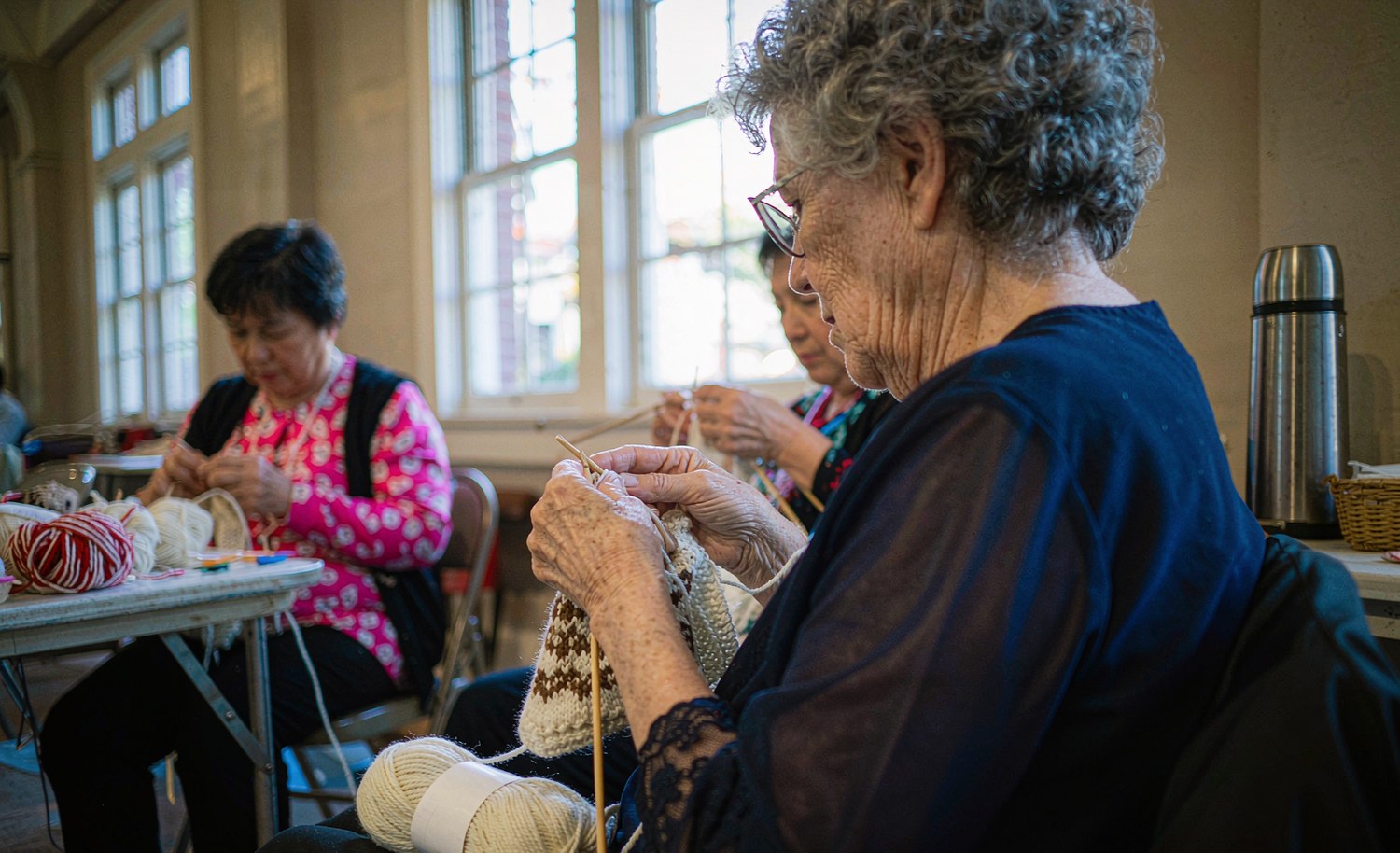
【1】Every autumn, nearly a thousand fly to a small group of islands in the North Atlantic, between Scotland and Norway, in order to knit.They pay for classes in village halls and queue to be photographed beside the sheep that grew the fleece, which makes little sense if what they wanted was a sweater.
【2】For three centuries knitting was not a pastime but a source of cash for women, who sold lace shawls and jumpers to merchants and, at the height of the trade, to shops in New York.The patterns were held as tacit knowledge, passed from mother to daughter, until each district had stitches a neighbour could read at a glance.
【3】Machine knitting, cheap imports and the departure of young women left the skills with a shrinking circle of older hands.What revived them was not a subsidy but the internet, which turned a local tradition into a global conversation carried on through blogs and photographs of half-finished work.
【4】A study in the Journal of Tourism and Cultural Change, by three researchers at the University of Aberdeen, spent time on the islands and in the online communities to see what followed.Their conclusion is that knitting is better understood not as a relic being preserved but as a living tradition that has changed as quickly as the economy around it.
《Journal of Tourism and Cultural Change》上的一项研究由阿伯丁大学的三位研究者完成,他们在岛上、也在那些网络社区里待了一段时间,看接下来发生了什么。他们的结论是:把针织理解为一件正在被保存的遗物,不如把它理解为一项活的传统——它变化的速度,和周围的经济一样快。
【5】The decisive shift is in what a visitor now buys: the islands once sold knitwear as a product, whereas the festival sells the hour in which you learn to make it.The value has moved from the garment to the making, and the price is paid for attention rather than wool.
【6】Wool Week, held for the seventeenth time this autumn, draws about a thousand visitors from the United States, Japan and New Zealand, while twenty-two thousand subscribe to its newsletter.Because it falls at the end of the season, when light and visitors are draining away, the money arrives when the islands need it, and spreads through community halls and crofts rather than pooling in one venue.
【7】Recognition as intangible cultural heritage has turned the word authentic into a selling point, and it has a narrow definition: wool grown and spun on the islands, worked in patterns local knitters recognise at once.Reproductions made elsewhere, and now digital copies of the patterns themselves, undercut that claim while borrowing its language.
【8】The sharper tension is between the small tourism the festival built and the mass tourism the islands now attract.Creative tourism depends on small groups and local tutors, whereas cruise ships carrying four thousand passengers need neither, and shops have opened to catch the passing trade.Some islanders see it as an event for incomers, and the tourism agency says it would rather keep this trade small than watch it grow.
【9】VisitShetland is candid that knitting is the most important part of the visitor economy and equally candid that it is not the most important industry, since fishing and oil still dominate.That is the honest measure of what heritage can do: it did not rescue an economy, it restored a skill's usefulness, and gave young islanders a reason to ask their grandmothers how a stitch was made.
原文出处:本文据 Catherine Wallace, Claire Wallace & Stephanie Garrison《Knitting together: the revival of knitting as Intangible Cultural Heritage through digital resources and its contributions to tourism》,Journal of Tourism and Cultural Change 24(4):1–14(2026-03-15,DOI 10.1080/14766825.2026.2642736,University of Aberdeen)公开摘要与结论改写整理;羊毛周规模、邮轮与旅游局表述均引自该文及公开报道,仅供学习使用。
三、长难句分析(三步拆解法)
They pay for classes in village halls and queue to be photographed beside the sheep that grew the fleece, which makes little sense if what they wanted was a sweater.
主干:They pay for classes ... and queue to be photographed ...(两个并列谓语 pay 与 queue,共用主语 They)
定语从句:the sheep that grew the fleece(that 指 sheep,字面"长出这身羊毛的羊",把原料与动物绑在一起)
非限制性定语从句:which makes little sense(which 指代前面"付费上课+排队合影"整件事,而不是 fleece)
条件状语从句:if what they wanted was a sweater(从句里再套一个 what 主语从句,形成"如果……的话"的反问)
考点:which 指代前句整体;what 引导主语从句;不定式被动 to be photographed;make sense 的否定用法
What revived them was not a subsidy but the internet, which turned a local tradition into a global conversation carried on through blogs and photographs of half-finished work.
主干:What revived them was not a subsidy but the internet(what 主语从句 + be + not A but B 表语结构)
注意:not ... but ... 连接的是两个名词短语,谓语动词与 but 后的主语一致;此处 was 与 the internet 对应
非限制性定语从句:which turned a local tradition into a global conversation(which 指 the internet,turn A into B 是"把 A 变成 B")
过去分词作后置定语:carried on through blogs and photographs(修饰 conversation,"靠博客与照片维持的"对话)
The decisive shift is in what a visitor now buys: the islands once sold knitwear as a product, whereas the festival sells the hour in which you learn to make it.
主干:The decisive shift is in what a visitor now buys(主系表;in + 宾语从句作表语,表示"转变发生在……上")
冒号的作用:冒号后是对前半句的具体展开,用一个 before/now 对照说明"买的东西变了"
whereas 对比:the islands once sold ... whereas the festival sells ...(once 与现在时对举,构成长时段与当下的分层)
定语从句:the hour in which you learn to make it("介词 + which"引导,in which = in the hour;it 指 knitwear)
考点:介词后接 what 从句;whereas 表对比;"介词+which";sell 的双宾语用法(sell sb sth / sell sth as sth)
Creative tourism depends on small groups and local tutors, whereas cruise ships carrying four thousand passengers need neither, and shops have opened to catch their passing trade.
主干:Creative tourism depends on ..., whereas cruise ships ... need neither, and shops have opened ...(三个分句由 whereas 与 and 串起)
现在分词作定语:cruise ships carrying four thousand passengers(修饰 ships,"载着四千名乘客的",一个数字就把量级差拉开)
neither 的用法:neither 代指前文的小团体与本地导师两者,作 need 的宾语;neither 在此不是"两者都不"的连词,而是代词
不定式作目的:to catch their passing trade("为了接住这拨过路客的生意",点明商业逻辑)
That is the honest measure of what heritage can do: it did not rescue an economy, it restored the usefulness of a skill, and gave young islanders a reason to ask their grandmothers how a stitch was made.
主干:That is the honest measure(主系表;That 回指上一段旅游局的坦率说法)
介词 + 宾语从句:of what heritage can do("衡量遗产能做什么",what 在从句中作 do 的宾语)
冒号后的三连:it did not rescue an economy / it restored the usefulness of a skill / and (it) gave young islanders a reason(先否定、再肯定、再递进,第三个分句省略主语 it)
不定式作定语:a reason to ask ... how a stitch was made(reason 后用不定式;how 从句作 ask 的宾语)
2026 年 3 月,《Journal of Tourism and Cultural Change》刊出阿伯丁大学 Catherine Wallace、Claire Wallace 与 Stephanie Garrison 的论文。三位作者的做法是双线的:一边在岛上做田野,访谈织者、商家、农户与旅游机构;一边做网络民族志,跟踪线上的编织社区。他们得出的第一个判断带有理论意味:针织不该被理解为"一件正在被保存的遗物"(a relic being preserved),而应被理解为"一项活的传统"(a living tradition)——它一直在变,变化的速度甚至和周围的经济一样快。这个判断很重要,因为它决定了后面所有的评价标准:如果用"是否原样保存"来衡量,商业化就是污染;如果用"是否还活着"来衡量,商业化可能恰恰是供氧。
1. Which of the following best states the main idea of the passage?
A. Shetland knitting survived mainly because the government offered generous subsidies to local craftspeople.
B. The commercial value of a heritage craft now lies less in the product it makes than in the experience of making it.
C. Cruise ships have destroyed the small-scale tourism that island communities spent decades building.
D. Intangible cultural heritage should be protected from commercialisation in order to keep it authentic.
2. The word "read" in paragraph 2 ("stitches a neighbour could read at a glance") is closest in meaning to ______.
A. read aloud B. recognise and interpret C. study carefully D. copy exactly
答案:B 解析:此处 read 的宾语是"针法纹样"而不是文字,指一眼就能辨认出这是哪个村的织法,故选"辨认并解读"。A 是 read 的常见义,与纹样不搭;C 的"仔细研究"与 at a glance(一眼)矛盾;D 的"精确复制"是 read 完全不具备的含义,属于用上下文猜测时的过度引申。
仿写题:仿照第 5 段 "The decisive shift is in what a visitor now buys: the islands once sold knitwear as a product, whereas the festival sells the hour in which you learn to make it."(先用 "The decisive shift is in..." 下判断,再用冒号,用 once ... whereas ... 构成过去与现在的对照),就"人们现在买的不是照片,而是拍照的那次出行"写一句你自己的判断句。